
Children’s dentistry at The Smile Centre
Child Dental Services
You can ensure your child’s teeth and wellbeing are in good hands. Our friendly and gentle dentists provide safe and compassionate dental services, making every visit a positive experience for your little ones

Is your little one experiencing dental anxiety?
At The Smile Centre, we understand that a child’s early experiences at the dentist can shape their lifelong attitude towards oral health. That’s why our caring team goes the extra mile to make sure your child feels safe, comfortable, and at ease during every visit.
Our gentle and friendly dentists are experienced in working with children of all ages, from toddlers to teens. We take a calm and reassuring approach, explaining each step in a child-friendly way and building trust with every appointment. Whether it’s a routine check-up, a dental emergency, or preventive care, we’re here to support your child’s healthy smile in a positive and nurturing environment.

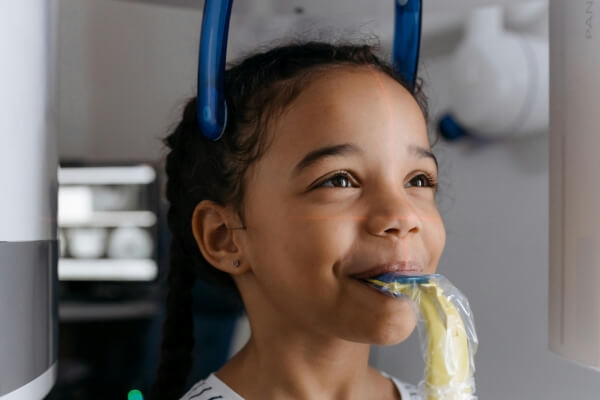
Children’s Dental Health
Your child’s mouth goes through many changes during their early years, making regular dental care essential. At The Smile Centre, we’re committed to making your child’s first dental experience a positive and comfortable one — because we know that early experiences can shape lifelong habits for good oral hygiene and overall health.
If your child feels nervous about visiting the dentist, we’re here to help. Not every dentist is trained or equipped to work well with children, but our team understands how to connect with young patients through a friendly, patient, and light-hearted approach. A little humour, a gentle tone, and a focus on fun can make all the difference.
We’re proud of the trust we’ve built with families and the care we provide to children of all ages. When you visit The Smile Centre, you can feel confident knowing your child is in kind and capable hands.
What Happens During My Child’s Dental Check Up?
A child’s dental visit involves a systematic approach to ensure thorough examination and treatment of any oral health issues. Here’s what the journey might look like for your child:
- Dental History Review: The session begins with a dental history review, where the dentist queries about the child’s past dental experiences, current issues, and daily oral hygiene practices.
- Dental Examination: The dentist then conducts a dental examination, inspecting the child’s teeth, gums, and mouth to identify any signs of decay, disease, or other dental problems.
- Professional Cleaning & Fluoride Treatment: The child’s teeth are professionally cleaned to remove any plaque or tartar buildup that could cause dental issues if left untreated. Fluoride treatment is usually applied after cleaning to reinforce the teeth and prevent cavities.
- Oral Hygiene Tips & Planning: The child will receive oral hygiene instruction from the dentist or hygienist, educating them on effective brushing and flossing techniques to maintain good oral health.
FAQS
What is the most common dental problem in children?
In Australia, tooth decay is the most prevalent dental issue among children. According to the Australian Institute of Health and Welfare (AIHW), over 40% of children aged 5-10 have experienced decay in their baby teeth. This high incidence can be attributed to several factors, including dietary habits, inadequate oral hygiene practices, and limited access to dental care in some regions.
What is the first stage of tooth decay in children?
During the initial stages, teeth may exhibit white, chalky spots, while in more advanced stages, brown or black areas can develop. The primary teeth in the upper front region are frequently affected by this condition. Alternative terms used to describe this condition include ‘nursing bottle caries’, ‘infant feeding caries’, and ‘baby bottle decay’. Once tooth decay in toddlers has progressed beyond the demineralisation stage, it cannot be reversed. However, it can be effectively treated and managed to prevent further deterioration.
What are the main causes of rotten teeth in toddlers?
Rotten teeth in toddlers are primarily caused by bacteria and the presence of carbohydrates (sugars and starches) that are not adequately cleaned off the teeth. When foods like milk, soda, raisins, candy, cake, fruit juices, cereals, and bread are left on the teeth, the bacteria in the mouth metabolize them and produce acids that lead to tooth decay.
What occurs when a child has a cavity?
When a child develops a cavity, it is necessary to schedule a dental appointment. The dentist will address the cavity by performing a filling procedure, which is also referred to as a restoration.
Is it possible to reverse tooth decay in toddlers?
Once tooth decay in toddlers has progressed beyond the demineralization stage, it cannot be reversed. However, it can be effectively treated and managed to prevent further deterioration.